● Programs
The Bigs
The Bigs
As children grow, their education should grow with them.
As students grow, their learning begins to shift. Our Bigs move away from themed classroom learning and step more into real-world skills, leadership, and responsibility.
At this stage, learning happens through doing and hands on work.
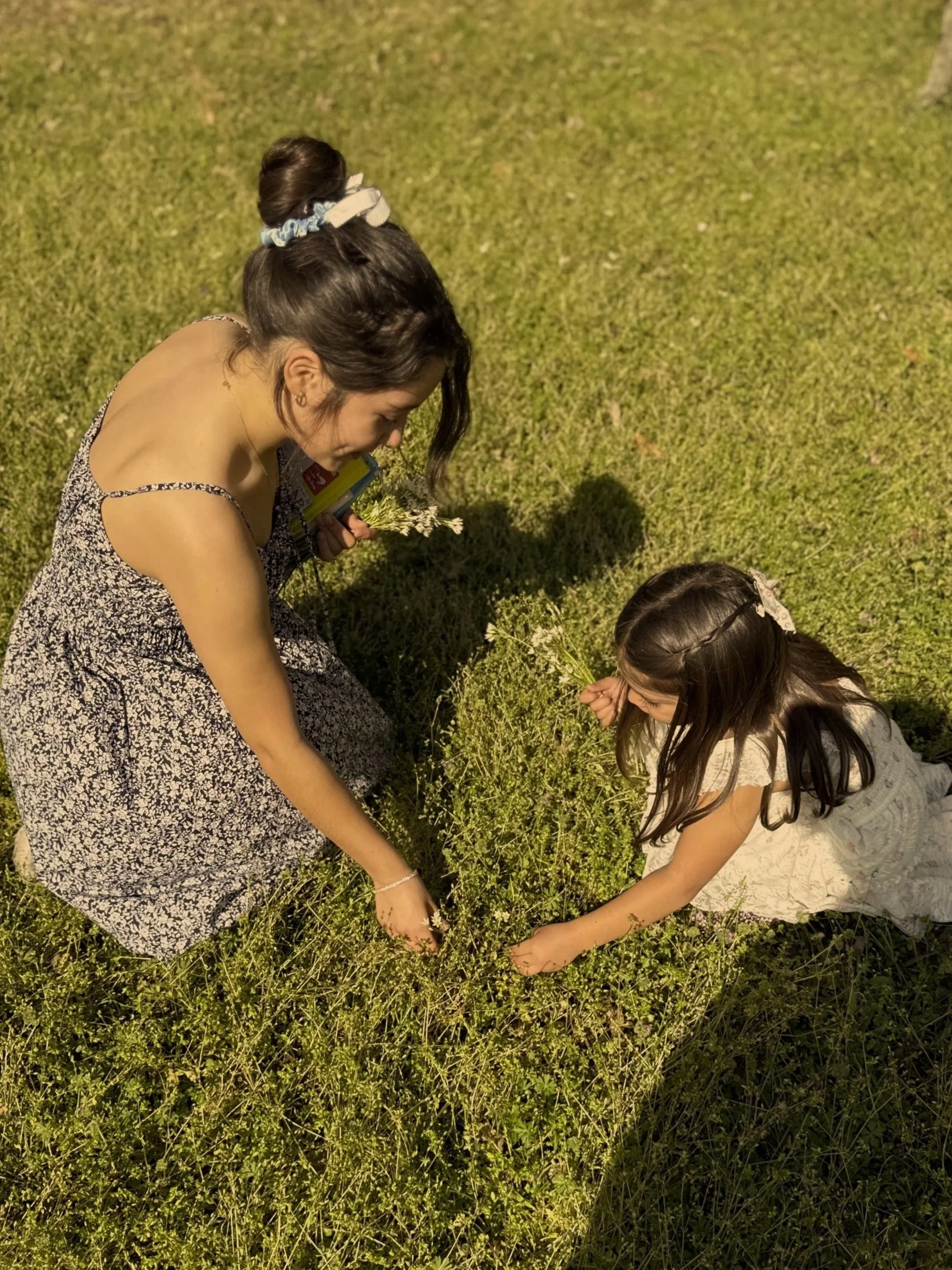
Students spend time outside working with the land — planting and maintaining gardens, changing soil, learning the basics of homesteading, observing ecosystems, and caring for animals. They may hatch baby chicks, learn the foundations of beekeeping, practice basic survival skills, and gain hands-on experience that builds confidence and independence.
Critical thinking becomes a daily practice. Students learn to question ideas, debate respectfully, analyze information, and communicate their thoughts clearly. Discussion circles, collaborative projects, and public speaking help them develop the ability to express themselves with clarity and conviction.
Entrepreneurship and leadership are built throughout the experience. Students explore how businesses are built, create their own ideas, and begin learning the fundamentals of building something of value. Local business owners, tradespeople, and community leaders will join us throughout the year to share their experiences and mentor students as they explore different paths.
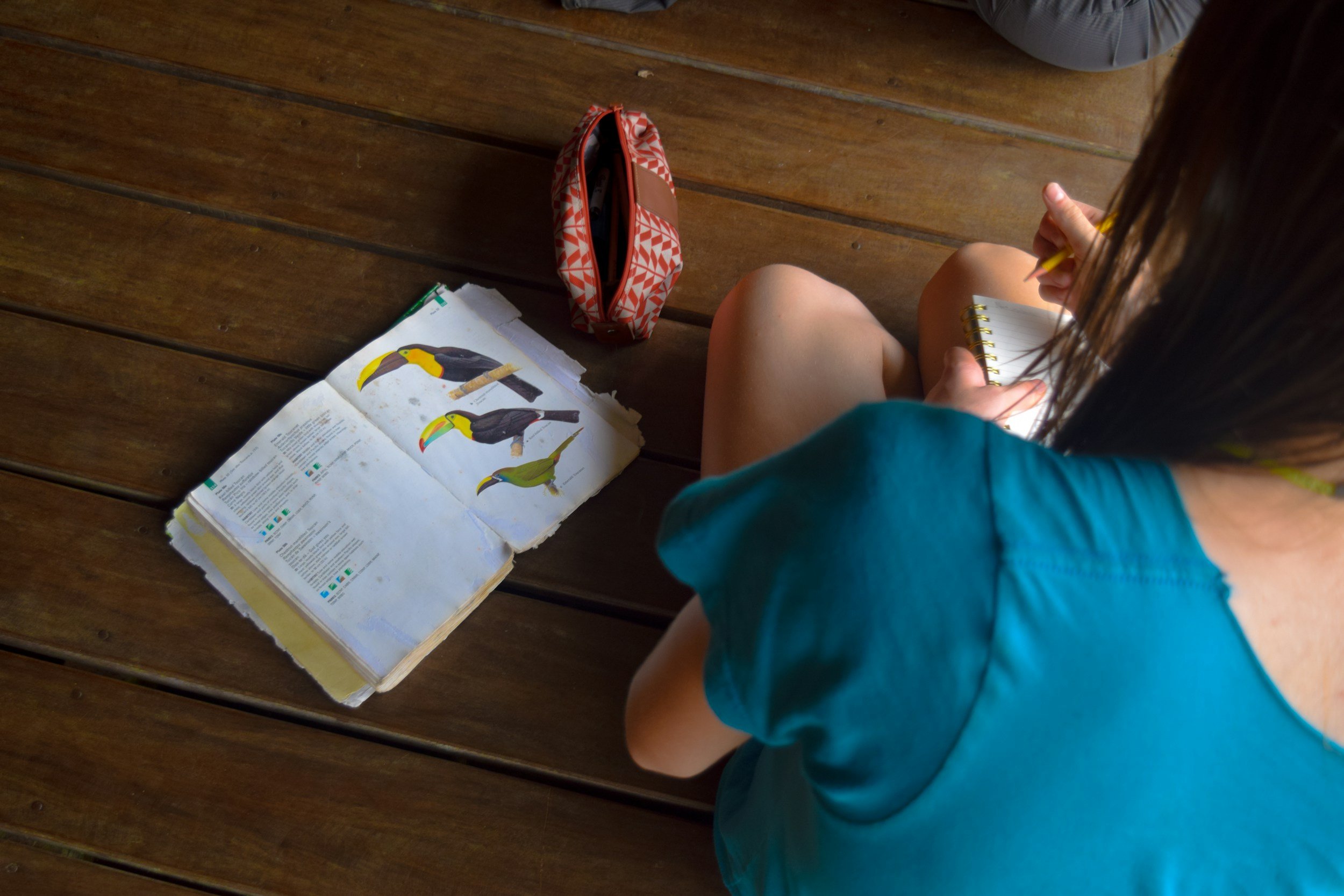
Reading, writing, and research remain part of the process, but they grow naturally from real work — documenting projects, presenting ideas, reflecting on experiences, and sharing discoveries with others.
Math is taught through practical application: budgeting for projects, measuring garden beds, tracking systems, analyzing patterns, and using logic to solve real problems.
Families will see their child growing not only academically, but in confidence, capability, and responsibility.
Our Bigs are not simply preparing for the next grade level.
They are learning the skills needed to think independently, build meaningful work, and contribute to the world around them.
A Day In The Life of our Bigs.
A Big walks in already mid-thought.
Their core lessons have been completed at home, so they arrive ready to engage — not to sit through lectures, but to build, collaborate, and think deeply. Schoolhouse days are where their learning comes to life.
The afternoon begins in conversation. Students discuss ideas they’ve been thinking about, questions they’ve been wrestling with, or observations they’ve made about the world around them. They practice listening carefully, disagreeing respectfully, and backing up their thoughts with clear reasoning.
But the real work begins when they step outside.
Our Bigs spend much of their time working with the land and learning practical skills. They tend the garden beds, study soil health, care for chickens, and observe the ecosystems around them. They may hatch baby chicks, learn the foundations of beekeeping, explore herbal plants growing in the garden, or practice basic survival skills that build confidence and independence.
Responsibility is real here. The animals depend on them. The garden depends on them. The systems they build either work or they don’t and they learn by adjusting, improving, and trying again.
Math appears naturally in the work they are doing. Students measure garden plots, track egg production and feed ratios for the chickens, create budgets for small projects, and apply logical reasoning as they design and improve systems around them.
Communication and leadership are practiced daily. Students speak in discussion circles, present their ideas to the group, and learn to articulate their thinking clearly. Debate, storytelling, and public speaking help them grow confident in expressing their ideas.
Entrepreneurship and real-world thinking are woven throughout the experience. Students explore how ideas turn into businesses, develop projects of their own, and hear from local leaders and entrepreneurs who share what it looks like to build something meaningful in the real world.
Teachers walk alongside them. Guiding discussions, helping refine ideas, strengthening communication, and challenging them to think more deeply.
The schoolhouse and the land are the classroom. Conversations stretch. Projects evolve. Systems get redesigned. Students take ownership of their work because it matters.
Bigs leave not just having completed assignments, but having practiced leadership, stewardship, problem solving, and real-life skills.
They are not simply absorbing information or spending time in nature.
They are learning how to think clearly, speak thoughtfully, solve real problems, care for living things, and step into the kind of young adults who are ready for what’s next.
● Contact
Request Information
Are you interested in joining us this fall? Fill out your information here and get on our list for students this fall. Enrollment is thoughtfully small this year to maintain our very individualized approach before opening this space up to more students.